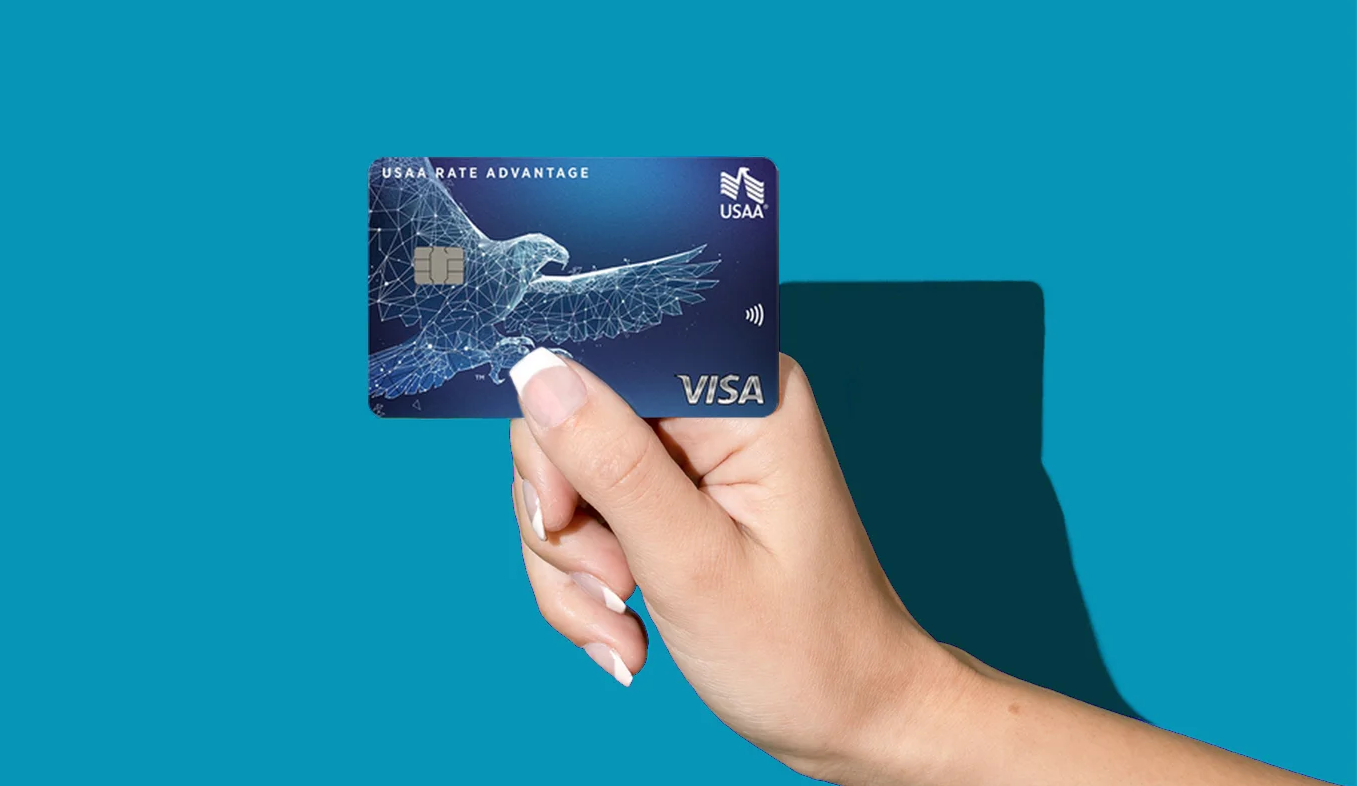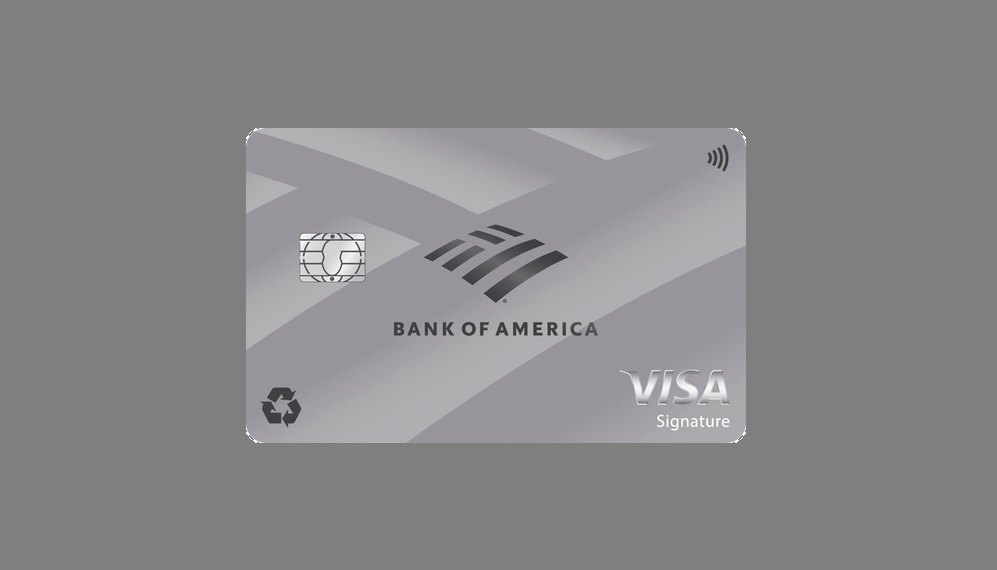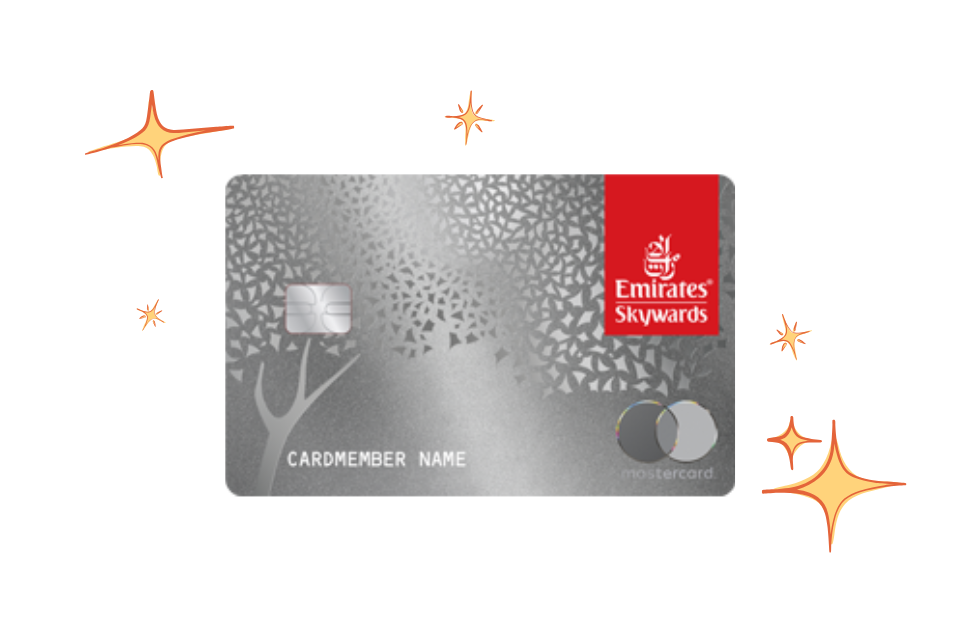
How to Choose the Ideal Credit Card for Your Financial Needs
Understanding Financial Goals and Spending Habits
Choosing the right credit card can significantly impact your financial situation. With so many options available, it’s easy to feel overwhelmed. However, understanding your financial goals and spending habits can help simplify your decision. Before venturing into the credit card market, evaluate what you need from a credit card. Are you looking for a way to build your credit score, or do you want to earn rewards for your everyday purchases?
Key Factors in Selecting a Credit Card
When selecting a credit card, consider these key factors to ensure that the card aligns with your financial behavior:
- Rewards and Benefits: Many credit cards offer diverse rewards, including cash back, travel points, or merchandise discounts. For instance, if you frequently dine out, a card that provides cash back on dining purchases can be beneficial. Conversely, if you are a frequent flyer, picking a card with airline miles rewards could enhance your travel experience and save you money on flights.
- Fees: Credit cards can come with various fees that can cut into your budget. It’s important to carefully read the fine print. Many cards have annual fees, which can range from $0 to several hundred dollars. Moreover, if you travel abroad, look for cards with no foreign transaction fees to avoid unexpected charges. Late payment penalties can also be hefty, so setting up reminders or automatic payments can help you steer clear of these additional costs.
- Interest Rates: The Annual Percentage Rate (APR) of a credit card is crucial, especially if you plan on carrying a balance. For example, if a card has a low APR of 12% and you have a $1,000 balance, you will pay significantly less interest than if you used a card with an APR of 24%. If you consistently pay off your balance in full, a higher APR may not be a concern, but it’s wise to keep it in mind just in case.
Assessing Your Credit Score
Furthermore, consider your credit score when applying for a credit card. Various cards cater to different credit profiles, ranging from those specifically for beginners to premium options for individuals with excellent credit. For example, if your credit score is below 650, seeking a secured credit card or one designed for building credit may be more appropriate. Understanding your credit standing can save you time and prevent rejections based on eligibility.
Finding the Right Match
Ultimately, the perfect credit card for you aligns with your financial habits and lifestyle. Take the time to research and compare multiple cards. Utilize online comparison tools that allow you to filter options based on your preferences such as rewards, fees, and benefits. This essential step will ensure you find a card that not only meets your needs but also supports your financial growth in the long run.
In conclusion, being well-informed and deliberate in your credit card choice can pave the way for a healthier financial future. Balancing rewards, costs, and potential interest rates will help you use credit responsibly and effectively.
DISCOVER MORE: Click here for a step-by-step guide
Identifying Your Spending Categories
Understanding where your money goes each month is vital in selecting a credit card that maximizes benefits while minimizing costs. Start by tracking your expenses for a few months to identify your primary spending categories. This can include areas like groceries, gas, dining, entertainment, and travel. By breaking down your expenses, you can pinpoint which categories you spend the most in and find a card that rewards you for those purchases.
Common Spending Categories to Consider
- Groceries: If your monthly grocery bill is substantial, a credit card offering cash back or rewards on grocery purchases can provide substantial savings over time.
- Gas: For those who drive frequently or have long commutes, a card that offers rewards or discounts on gas purchases can contribute positively to your overall budget.
- Dining Out: If you enjoy eating out or ordering in, search for credit cards that give higher cash back rates for dining purchases. This can turn your dining habits into saving opportunities.
- Travel: Frequent travelers should consider cards that offer travel rewards or points that can be redeemed for flights, hotel stays, or rental cars. Look for features like travel insurance or no foreign transaction fees that enhance your travel experience.
- Online Shopping: If a significant part of your budget goes toward online purchases, seek cards that provide rewards for online shopping or specific retailer bonuses, maximizing the benefit of your spending.
By aligning your credit card choice with your primary spending habits, you can optimize the rewards you earn and reduce how much you pay in fees. For example, if you spend a lot on groceries and choose a credit card that offers 3% cash back in that category, those earnings can quickly add up, offsetting any fees associated with the card.
Evaluating Card Features and Perks
In addition to comparing rewards, take a close look at other features and perks that may enhance the value of the credit card. Some credit cards come with attractive bonuses, such as sign-up bonuses, which can often include a lump sum of points or cash back after you reach a specified spending threshold within the first few months. For instance, a card might offer 50,000 points after spending $3,000 in the first three months, which could translate to a round-trip flight for many destinations.
Furthermore, consider other additional features like price protection, which can refund you the difference if you purchase an item and then find it at a lower price shortly afterward. Other beneficial features can include extended warranty protection, rental car insurance, and even access to exclusive events. These perks can add significant value to your credit card and enhance your overall customer experience.
In conclusion, being thoughtful about your spending habits and ensuring that the credit card you select aligns with these categories will lead to better financial decisions. Taking the time to dissect your expenses and researching available credit card benefits will provide a robust foundation as you move forward in making an informed choice.
DISCOVER MORE: Click here to learn about stocks and bonds
Understanding Fees and Interest Rates
While rewards and perks are essential when selecting a credit card, it’s equally crucial to understand the costs associated with the card. All credit cards come with their own sets of fees and interest rates, and these factors can significantly impact your overall financial health. Carefully reviewing these elements will help you make an educated decision and avoid unexpected costs.
Types of Fees to Watch For
- Annual Fees: Some credit cards charge an annual fee simply for holding the card. While this fee can sometimes be justified by higher rewards, be sure to evaluate whether the benefits you receive exceed this cost.
- Foreign Transaction Fees: If you often travel abroad or make purchases from international retailers, seek cards that do not charge foreign transaction fees. These fees can add up quickly, typically ranging from 1% to 3% of each transaction.
- Late Payment Fees: Missing a payment deadline can lead to costly late fees, which can be as high as $40. Additionally, late payments may negatively affect your credit score, increasing the interest rates on your current credit card debt.
- Cash Advance Fees: If you plan to use your credit card to access cash, be aware of cash advance fees. These often carry steep charges and higher interest rates than standard purchases, making them an expensive choice.
By being aware of these fees, you can select a card that minimizes unnecessary expenses. For instance, if you tend to be forgetful with payments, choosing a card without an annual fee and with a grace period for late payments could save you money.
Assessing Interest Rates and Terms
The annual percentage rate (APR) is another essential component to review. This rate determines how much interest you will pay on any carried balances, and the differences can be significant between cards. Some cards offer introductory 0% APR promotions for a specific period, allowing you to pay off larger purchases without accruing interest. However, after the promotional period ends, the interest rate can rise sharply, so read the fine print before committing.
It is also wise to look at the terms and conditions associated with the card. Understand how the interest rates may change over time, especially if you tend to carry a balance. If the card has a variable rate, it can fluctuate with market conditions, leading to unexpected interest payments.
Using Your Credit Wisely
To ensure you optimize your credit card’s benefits, develop a strategic spending plan. For instance, if you can manage to pay off your balance in full each month, you can take advantage of rewards without incurring interest. A well-planned budget will also help you avoid overspending in categories that don’t earn you rewards.
The balance between your income, expenses, and the potential rewards from the card determines how beneficial it can be. Credit cards can be powerful financial tools when used responsibly, so understanding your financial habits, coupled with the associated fees and interest rates, will significantly aid in selecting the right card for your needs.
DIVE DEEPER: Click here to learn more
Final Thoughts on Selecting Your Perfect Credit Card
Choosing the right credit card can be challenging, but with careful consideration and a clear understanding of your financial needs, you can make an informed decision. Start by reflecting on how you intend to use the card—whether it’s to earn rewards, handle emergencies, or build credit. Once you know your goals, compare various credit cards based on fees, interest rates, and reward programs. Remember, the most suitable card for you could mean the difference between maximizing benefits or incurring unnecessary costs.
Be mindful of the fees associated with credit cards, as they can quickly add up. Ensure you understand annual fees, foreign transaction fees, late payment penalties, and cash advance fees. These elements are not just additional costs; they can affect your overall financial health. Pair this knowledge with an assessment of the interest rates and terms associated with each card, especially the APR and any promotional offers that may apply.
Ultimately, a well-chosen credit card can enhance your financial flexibility and rewards. Develop a strategic spending plan that aligns with your income and expense patterns to use your credit card effectively. By handling your credit card responsibly and staying informed about your options, you can enjoy the benefits that come with it while safeguarding your financial future.

Linda Carter
Linda Carter is a writer and fashion content specialist who focuses on Shein, online shopping trends, and style discoveries. With extensive experience helping readers explore affordable fashion, understand shopping tips, and make smarter purchase decisions, Linda shares her insights on our platform. Her goal is to empower readers with practical advice and useful strategies to navigate Shein’s offers, discover new trends, and enjoy a more confident and informed shopping experience.