Future Trends in Credit Cards: Innovations and Technologies Transforming the Market
Transformative Trends in Credit Card Usage
The landscape of credit card usage is evolving rapidly, driven by innovations and emerging technologies that prioritize user experience, convenience, and security. As consumers juggle their daily lives with increasing demands, financial institutions are rising to the occasion to offer solutions that not only meet but exceed these expectations. By delving into some of the most prominent trends reshaping this industry, we can gain clarity on the direction credit cards are heading.
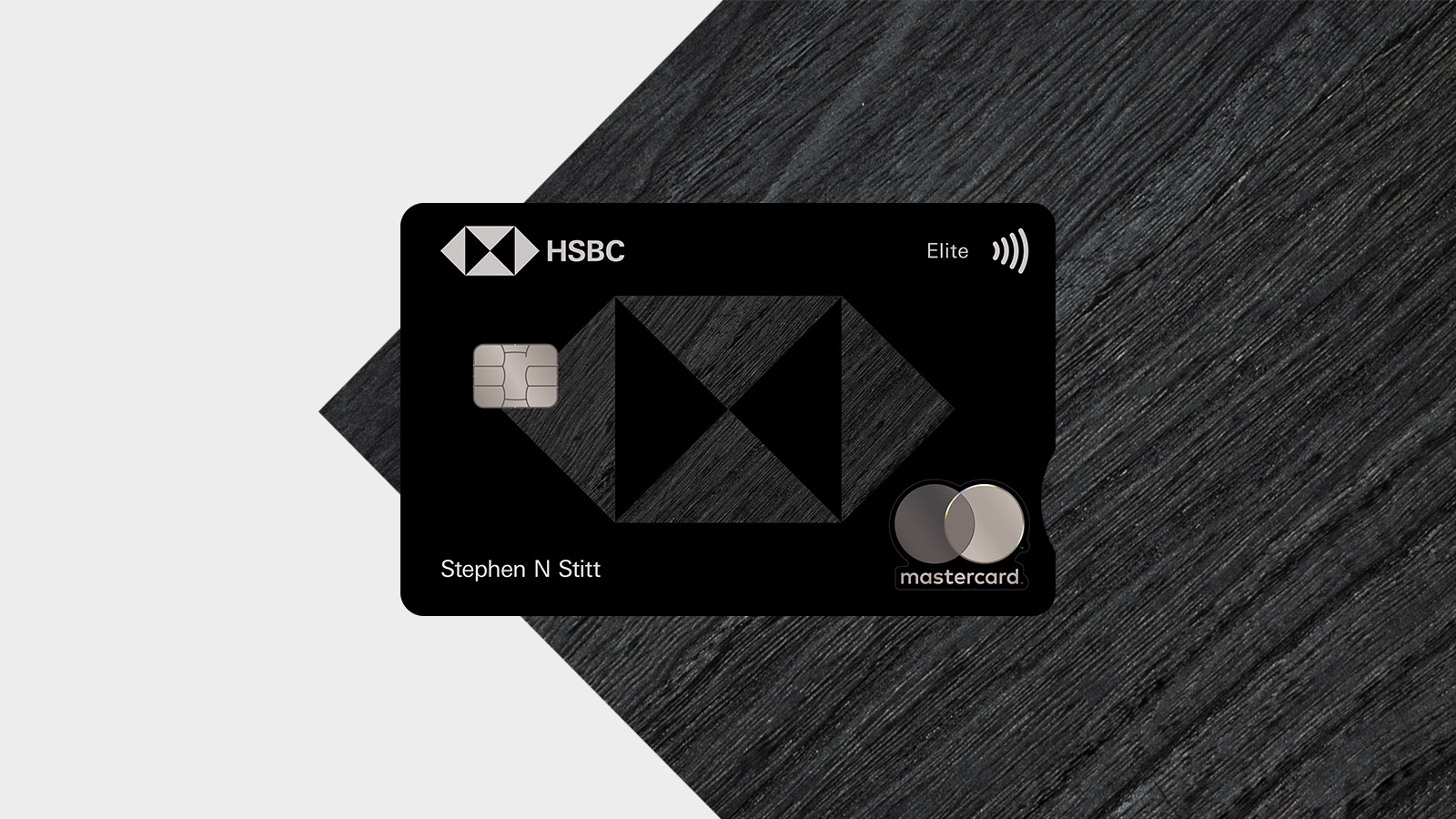
- Contactless Payments: One of the most noticeable trends is the rise of contactless payments. Utilizing Near Field Communication (NFC) technology, consumers can now make quick and secure transactions simply by tapping their card or smartphone against a point-of-sale terminal. For example, a busy commuter can effortlessly pay for their morning coffee by tapping their smartphone at the register, reducing wait times and enhancing the buying experience. According to industry reports, this technology has significantly increased in usage, particularly during the pandemic, where minimizing contact became vital.
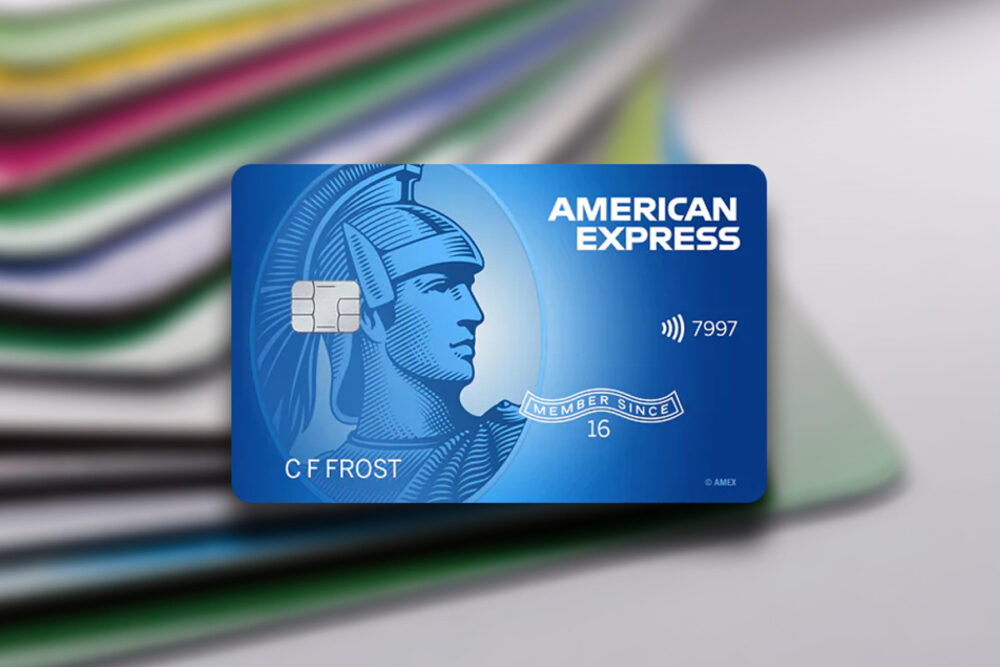
- Mobile Wallet Integration: Linking credit cards to mobile wallet applications such as Apple Pay and Google Wallet has streamlined the purchasing process even further. Instead of fumbling for a physical card, users can make payments securely and swiftly right from their smartphones. These mobile wallets also allow users to store various cards in one convenient app, making it easier to manage spending and track rewards.
- Enhanced Security Features: With the rise in digital transactions comes the heightened risk of fraud, which has led to innovations in security measures. New features like biometric authentication—which may include fingerprint scanning or facial recognition—help to ensure that only authorized users can access their accounts. Additionally, the use of virtual card numbers—temporary card numbers generated for online shopping—provides an extra layer of protection against identity theft, making transactions much safer in an increasingly digital economy.
These advancements not only improve the user experience but also reflect shifting consumer preferences towards safer and more efficient ways of managing finances. As we move forward, understanding how these trends will influence everyday financial decisions is crucial. For example, consumers may be more inclined to shop at retailers that accept contactless payments, which in turn pressures other businesses to adapt to this payment method to stay competitive.
Furthermore, the rise of fintech companies in the credit card market is another notable trend. These companies are introducing flexible payment options and personalized rewards that cater to diverse consumer needs, such as offering cash back on groceries or travel rewards for frequent flyers. As these companies thrive, traditional financial institutions may need to reassess their offerings to compete effectively.
By examining these various changes, we can gain valuable insight into the future of credit cards and prepare for what lies ahead. In a landscape characterized by technological advancements and evolving consumer expectations, staying informed will empower individuals to make better financial decisions.
DISCOVER MORE: Click here to learn how to apply
Emerging Technologies Shaping Credit Card Solutions
As the credit card landscape continues to change, innovations in technology are increasingly influencing how consumers interact with their financial tools. These advancements not only cater to the desire for speed and efficiency but also address critical issues such as security and user experience. To comprehend the significance of these transformations, it is essential to explore several key technologies that are at the forefront of this evolution.
- Artificial Intelligence (AI) and Machine Learning: The integration of AI and machine learning into the credit card market is revolutionizing transaction monitoring. Financial institutions utilize these technologies to analyze spending patterns and detect anomalies, which helps in preventing fraudulent activities. For instance, if a consumer who typically shops locally suddenly makes a large purchase overseas, the system can flag this as suspicious and trigger additional authentication steps. By utilizing data-driven insights, credit card issuers can enhance both security and the overall customer experience.
- Tokenization Technology: Tokenization is another significant innovation reshaping credit card transactions. This process replaces sensitive card information with unique identifiers, or tokens, that can be used for payments without disclosing the actual card number. This is particularly beneficial for online transactions, where the risk of data breaches is heightened. By adopting tokenization, retailers can securely process payments without storing customer card details, thus minimizing the chances of fraud.
- Digital Banking Integration: The rise of digital banking has prompted financial institutions to offer fully-integrated banking experiences. Consumers can now manage their credit cards alongside checking and savings accounts in one platform, enabling streamlined budgeting and financial planning. Features such as instant notifications for transactions, spending reports, and budget tracking help users maintain control over their finances. This ability to easily oversee all financial activities within a single app enhances engagement and empowers consumers to make informed decisions.
The shift towards these advanced technologies indicates a commitment to enhancing the customer journey while also prioritizing security. As users experience greater convenience through features such as AI-enhanced fraud detection and tokenization security, their trust in credit card systems will likely grow. This increased confidence can translate into more robust spending behaviors, positively impacting overall market dynamics.
Furthermore, the demand for sustainable financial products is growing, with consumers becoming increasingly aware of their environmental impacts. Credit card companies are responding by introducing offerings that promote eco-friendly practices, such as cards made from recycled materials or programs that reward users for making sustainable purchases. As this trend gains traction, it can drive further innovation within the market.
Understanding these emergent technologies is paramount for consumers who want to navigate this evolving landscape effectively. By keeping abreast of innovations such as AI and tokenization, individuals can take full advantage of new solutions as they are introduced, ensuring that their financial transactions are not only efficient but also secure and aligned with their values.
DIVE DEEPER: Click here to discover more
Shifts in Consumer Behavior and Demographics
As technology continues to reshape the credit card landscape, shifts in consumer behavior and demographics play a significant role in driving new trends and innovations. Understanding these changes allows financial institutions to tailor their offerings and enhance the customer experience.
- Mobile Wallets and Contactless Payments: With the proliferation of smartphones, many consumers are opting for mobile wallets like Apple Pay, Google Pay, and Samsung Pay. These digital payment solutions enable users to store their credit card information securely on their devices and make transactions with a simple tap at payment terminals. The growing preference for contactless payments reflects a desire for convenience and speed, particularly among younger generations who are tech-savvy and value seamless transactions. This trend encourages credit card companies to enhance their digital offerings and integrate with mobile wallet platforms while promoting security features, such as biometric authentication.
- Millennial and Gen Z Preferences: As millennials and Gen Z become the largest consumer groups, their preferences significantly impact credit card innovations. These younger generations prioritize experiences over possessions and often seek credit cards that reward spending on travel, entertainment, and dining. Credit card issuers are stepping up by introducing tailored rewards programs, no foreign transaction fees, and perks like access to exclusive events. Additionally, these demographics value sustainability and social responsibility, leading some companies to develop eco-friendly credit cards and programs that give back to social causes.
- Cryptocurrency Integration: The growing interest in cryptocurrencies has led some credit card companies to explore various ways to integrate digital currencies into their offerings. For example, some credit cards now allow users to earn cryptocurrency rewards for everyday purchases or even pay for transactions directly using cryptocurrencies. This trend caters to the increasingly tech-oriented consumer base and reflects a significant shift in how we view money and credit. As the regulatory landscape develops around cryptocurrencies, more card issuers may enter this space, appealing to a niche market of crypto enthusiasts.
In addition to the direct impact on credit card products, these shifts in consumer demographics are driving a broader mindset change within financial institutions. They are encouraged to adopt a more customer-centric approach, prioritizing not just profit but also user satisfaction and loyalty. This initiative has led to enhancements in customer service, including personalized communication through digital channels and tailored financial advice.
With advancements in technology, and the necessity to meet evolving consumer expectations, credit card companies are venturing beyond traditional offerings. Features such as gamification, where users earn points through interactions and engagements rather than just spending, are becoming increasingly popular. This shift in focus from merely transactional to experiential illustrates the ongoing transformation within the credit card industry.
As these trends continue to evolve, it becomes vital for consumers to remain informed about their options. Understanding the innovations introduced by credit card companies allows individuals to select products that align with their values and spending behaviors, ultimately fostering a more personalized financial experience.
LEARN MORE: Click here for application tips
Conclusion
In summary, the future of credit cards is being shaped by a dynamic blend of technological innovations and shifting consumer behaviors. The rise of mobile wallets and contactless payments indicates a growing demand for seamless and efficient transaction methods that align with the lifestyles of modern consumers. Furthermore, as millennials and Gen Z become dominant in the marketplace, their preferences for personalized experiences, sustainability, and flexible spending solutions are prompting credit card issuers to rethink their strategies and offerings to cater to these evolving needs.
The integration of cryptocurrency into credit card products marks a significant departure from traditional financial norms, showcasing the industry’s adaptability to emerging trends. The possibility of earning rewards in digital currencies signifies a new wave of engagement for financially savvy consumers, making it essential for both cardholders and providers to stay informed about these developments.
As we consider the road ahead for credit cards, it becomes increasingly important for consumers to recognize the advantages that these innovations bring. By selecting credit products that not only meet their financial needs but also reflect their values and lifestyle preferences, individuals can enhance their financial experience in a rapidly changing landscape. Financial institutions must continue to innovate and prioritize customer satisfaction, ensuring their prestige in a competitive marketplace. Ultimately, the evolution of credit cards illustrates a broader shift towards a more personalized, user-centric financial environment that benefits consumers and businesses alike.

Linda Carter
Linda Carter is a writer and fashion content specialist who focuses on Shein, online shopping trends, and style discoveries. With extensive experience helping readers explore affordable fashion, understand shopping tips, and make smarter purchase decisions, Linda shares her insights on our platform. Her goal is to empower readers with practical advice and useful strategies to navigate Shein’s offers, discover new trends, and enjoy a more confident and informed shopping experience.