
Comparative Analysis of Wealth Allocation among Different Regions of the USA
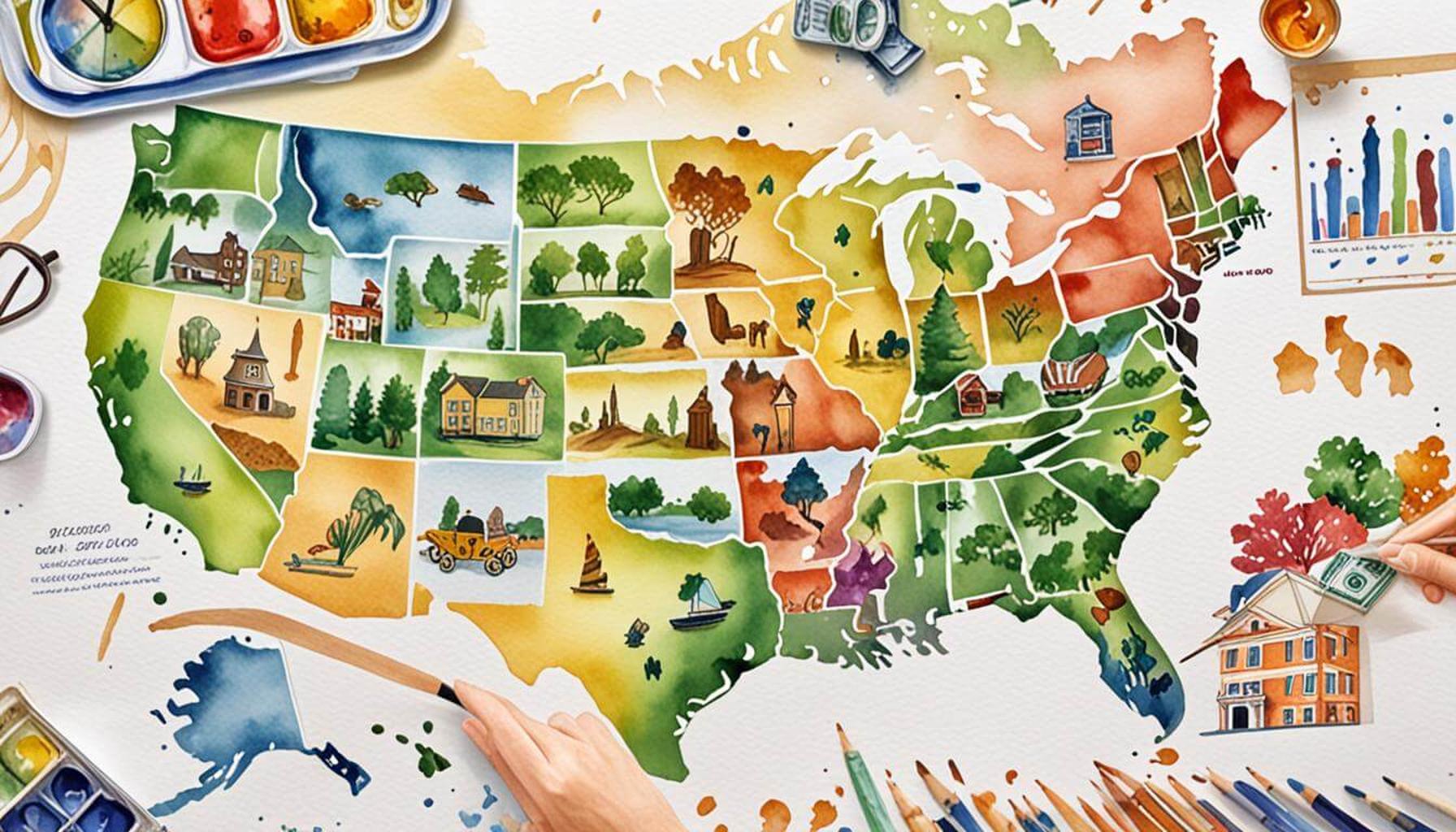
Understanding Wealth Allocation Across the USA
Wealth distribution in the United States varies significantly from one region to another. This disparity affects various aspects of life, including education, healthcare, and quality of living. A deeper look into these allocations can shed light on the economic landscape of the nation, revealing both challenges and opportunities for growth.
Geographic Variability plays a crucial role in wealth distribution. In urban areas such as New York City and San Francisco, residents generally enjoy higher income levels due to the concentration of high-paying jobs in industries like technology and finance. For example, the tech industry in Silicon Valley has created immense wealth for many individuals and companies alike. In contrast, rural regions in states such as Kentucky or Mississippi often lack access to the same lucrative employment opportunities, leading to lower average incomes and limited economic mobility. This geographical divide can result in significant disparities in resources, influencing everything from public school funding to access to advanced healthcare services.
Industry Focus is another critical factor contributing to the uneven distribution of wealth. States with strong technology sectors, like California, see the benefits of entrepreneurial ventures and robust capital investment. In areas where industries such as agriculture and manufacturing dominate, like in parts of the Midwest, economic growth can be slower. For instance, while states such as Iowa and Nebraska are vital food producers, they may not offer the same wealth-generating opportunities as more diversified, service-oriented economies. This specialization can create pockets of wealth that don’t translate evenly across adjacent regions, often leaving some communities behind.
Historical Factors also play a significant role in shaping the economic landscape of America. Historical events, such as the industrial revolution and the Great Migration, have left lasting impacts on regional economies. For instance, cities in the Rust Belt, such as Detroit, once thrived on manufacturing jobs but have faced economic decline as industries shifted. In contrast, areas that adapted to new economic realities, such as those embracing technology and innovation, have been more successful in accumulating wealth. Understanding how these historical dynamics affect current economic conditions is essential for addressing regional disparities.
This article will explore the intricacies of wealth allocation across various regions, highlighting critical disparities and trends that define the American economic landscape. By analyzing these distribution patterns, we can better understand broader socioeconomic issues, such as poverty rates, access to quality education, and healthcare disparities, that impact countless lives throughout the country. Recognizing these differences is vital for fostering informed discussions on policies aimed at bridging the wealth gap in America.
LEARN MORE: Click here for insights on regulatory changes
The Impact of Education on Wealth Distribution
Education plays a pivotal role in shaping the economic landscape of any region. In the United States, access to high-quality education can differ dramatically between regions, influencing both individual earning potential and broader economic growth. This disparity is often rooted in funding mechanisms that depend heavily on local property taxes, leading to significant differences in the resources available to schools in wealthier neighborhoods compared to those in less affluent areas.
For instance, consider the difference between affluent suburbs of cities like Boston and economically challenged areas in rural Alabama. Schools in Boston tend to have access to greater funding, which translates to better facilities, advanced placement courses, and a wider range of extracurricular activities. This enables students from these areas to attain higher education and compete more effectively in the job market. Conversely, schools in rural Alabama may struggle with overcrowded classrooms and inadequate resources, perpetuating cycles of poverty and limiting economic opportunity for their students.
Healthcare Access and Economic Outcomes
Healthcare access also varies widely across the United States, influencing wealth allocation. Regions with robust healthcare systems, like those found on the West Coast, tend to experience better overall health outcomes, which in turn affects productivity and economic stability. Higher income areas can often afford to invest in preventive care, advanced medical technology, and wellness programs that keep their populations healthy and productive.
On the other hand, regions such as Appalachia are notorious for limited healthcare access. High rates of chronic illnesses, coupled with insufficient healthcare infrastructure, can significantly hinder economic growth. In these areas, residents may face greater barriers to receiving timely and effective medical treatment, leading to higher unemployment and lower workforce participation rates. As a result, the economic potential of these regions is severely restricted when compared to their wealthier counterparts.
The Role of Local Policies
Local policies significantly affect how wealth is distributed within regions. Tax policies, zoning laws, and investment in public infrastructure can either foster economic growth or exacerbate existing disparities. For example, states that prioritize investment in public transportation facilitate easier access to jobs for low-income residents, while those that do not can isolate communities, effectively hindering their economic prospects.
- Transit Investments: Cities like New York, which heavily invest in public transport, allow residents from various economic backgrounds to access high-paying jobs in the city.
- Urban Development: Policies that promote mixed-use development can help revitalize struggling communities and encourage diverse economic activities.
- Business Incentives: Regions that offer tax breaks to startups and small businesses can stimulate local economies, promoting job growth and higher wages.
By examining these facets of wealth allocation, it becomes clear that a complex interplay of education, healthcare access, and local policies contributes to the economic conditions of different regions. Understanding these nuances is essential for developing effective solutions aimed at reducing wealth disparities and fostering equitable growth across the nation.
DIVE DEEPER: Click here to discover more
The Influence of Employment Opportunities on Wealth Distribution
Employment opportunities are a significant factor in wealth distribution across various regions of the United States. The availability of jobs not only influences individual incomes but also shapes the economic vitality of entire communities. Disparities in local job markets can create wealth divides that persist across generations.
Regions with diverse employment opportunities, such as metropolitan areas like San Francisco or Austin, experience higher levels of economic mobility. In these cities, booming industries in technology and innovation create numerous job openings, attracting a skilled workforce. This influx can elevate local economies, driving up real estate prices and increasing living costs, thereby creating a cycle where wealth remains concentrated among those with high-paying jobs.
In contrast, regions reliant on single industries, such as coal mining in parts of West Virginia, face significant challenges. As these industries decline due to various factors, including environmental regulations and shifts in energy consumption, communities can suffer severe job losses. The result is often a stagnant economy, with few options for workers displaced from traditional roles. This lack of job diversity not only hinders personal advancement but also stifles overall economic growth.
Income Inequality and Regional Economies
Income inequality is another crucial aspect of wealth allocation, differentiating regions within the U.S. According to data from the U.S. Census Bureau, areas like Silicon Valley have some of the highest levels of income disparity in the nation. While prosperous tech companies can pay substantial salaries to their employees, many individuals working in service-oriented roles often earn minimum wage with limited benefits. This disparity creates a widening chasm between the wealthy elite and low-wage workers, raising concerns about social mobility and cohesion.
Conversely, more economically balanced regions, such as communities in the Midwest that focus on manufacturing and agriculture, tend to experience lower levels of income inequality. Workers in these areas often have access to well-paying jobs that offer good benefits, which helps preserve economic balance across the region. Although these regions may experience lower average incomes compared to wealthier coastal cities, they often boast a more equitable distribution of wealth.
Access to Capital and Investment Opportunities
Access to capital is another essential ingredient for fostering a healthy economic landscape. Wealth allocation is profoundly affected by individuals’ ability to secure funding for education, home purchases, and business ventures. Areas with thriving financial institutions, such as New York City, provide entrepreneurs and individuals the financial resources necessary for growth. This access allows businesses to expand and pay competitive wages, thereby increasing economic vibrancy.
- Small Business Development: Regions that support small business incubators and offer low-interest loans to local entrepreneurs can stimulate job creation and foster innovation.
- Real Estate Development: Access to affordable mortgages enables families to buy homes, building equity and contributing to community financial stability.
- Educational Grants: Accessibility to funding for higher education allows individuals in economically disadvantaged areas to improve their earning potential, thereby enhancing local economies.
Overall, the relationship between employment opportunities, income inequality, and access to capital plays a vital role in shaping wealth distribution across different regions of the USA. Understanding these dynamics is crucial for policymakers aimed at fostering equitable economic growth and addressing longstanding disparities. By emphasizing targeted interventions and investing in economic diversity, greater wealth balance can be achieved throughout the nation.
DISCOVER MORE: Click here to learn about the future of credit cards
Conclusion
In examining the intricate landscape of wealth allocation among different regions of the United States, several key factors emerge as critical influencers. The availability of employment opportunities is paramount; regions that foster diverse job markets tend to promote economic vitality and upward mobility, whereas areas reliant on singular industries often find themselves trapped in cycles of poverty and stagnation. Similarly, income inequality presents a profound challenge, as disparities in earnings between various professions create a divide that hampers social cohesion and mobility.
Furthermore, access to capital serves as a vital component in nurturing economic growth. Regions with robust financial systems can empower individuals and businesses alike, facilitating entrepreneurship and homeownership, which in turn contributes to overall community stability. The contrast between tech-dominant urban hubs and manufacturing or agricultural heartlands underscores the importance of tailored economic strategies that consider local strengths and vulnerabilities.
Ultimately, addressing these disparities requires a collaborative and multifaceted approach. Policymakers must invest in education, job training, and financial resources to create equitable opportunities for all communities. By fostering economic diversity and inclusivity, the nation can work toward a more balanced wealth distribution, offering every region a fair chance to thrive. Recognizing and acting upon these dynamics will be essential in shaping a prosperous future for all Americans.